
 Facebook
 X
X
 Pinterest
 Copy Link
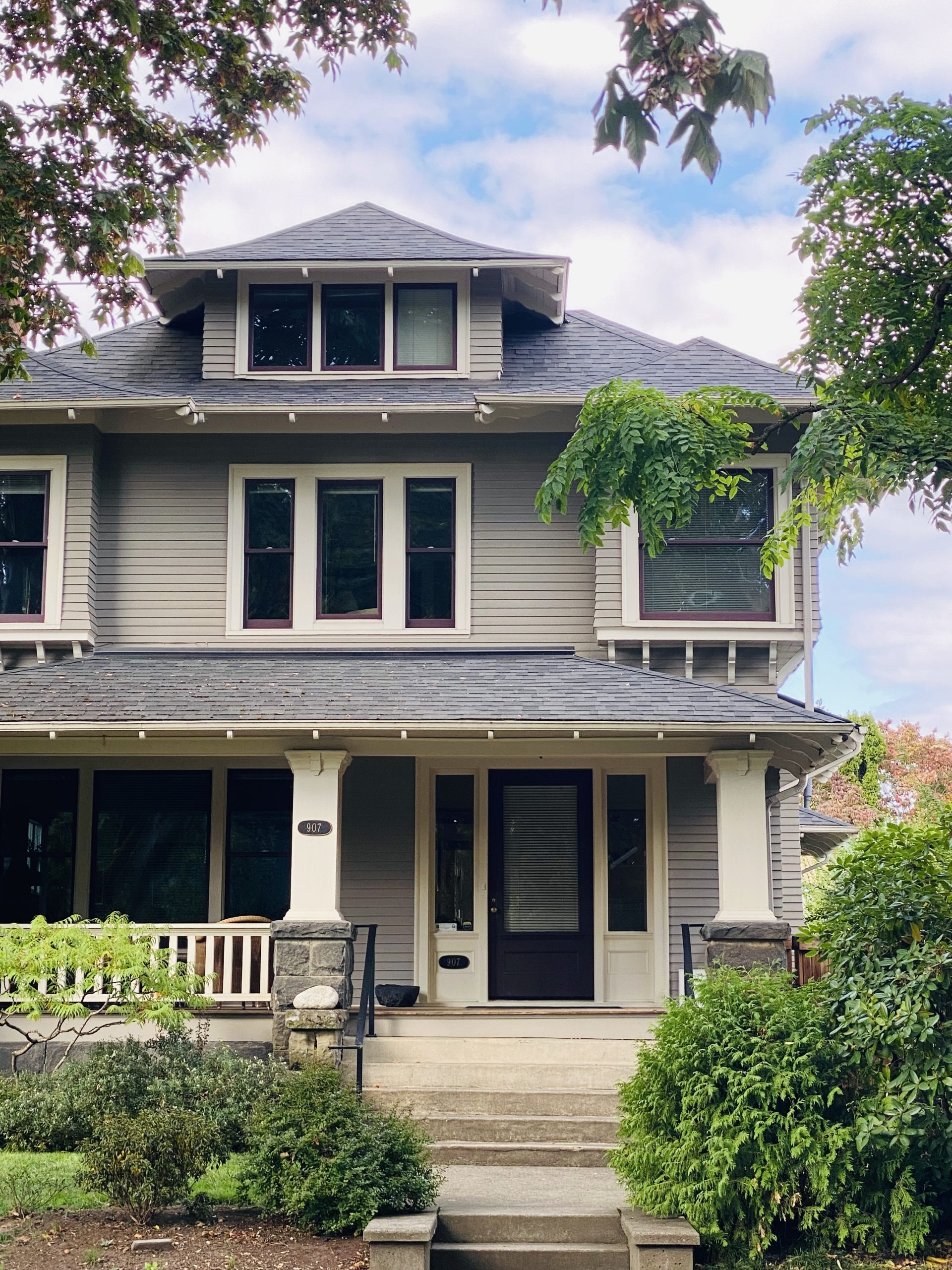
The Portland Old House Guide, Part 2: Irvington — Beautiful Houses, But Know the Rules
I’ve lived in Irvington since 2004.
That’s long enough to have seen a lot of houses change hands, a lot of renovations come and go, and a whole lot of people fall head-over-heels for an old house.
And I get it.
Irvington has some seriously good-looking houses.
Craftsman bungalows. Queen Annes. Tudors. Colonial Revivals. Big old porches. Giant trees. Gorgeous woodwork. Original floors. Weird little rooms that probably made perfect sense to somebody in 1912.
And that’s part of the fun.
But here’s the thing about buying an old house in Irvington:
You don’t just get the house. You get the neighborhood’s history, too.
And sometimes that comes with a few rules.
So… Is My Irvington House Historic?
Well, maybe.
And this is where things can get a little confusing.
A house being old doesn’t automatically make it “historic.” Portland has plenty of old houses that are simply… old houses.
Irvington is different.
The neighborhood is a City-designated Historic District, and individual properties are identified as either contributing or non-contributing to the historic character of the district.
Why should you care?
Because if you’re planning to make changes to the house, that designation can matter.
And by “changes,” I don’t just mean tearing the whole thing down and building a glass cube.
Certain exterior alterations, additions, new construction and other projects can require historic review.
Wait. Can I Actually Remodel the House?
Yes.
You can remodel a historic house.
You are not required to live with the kitchen your great-grandmother cooked in.
Thank goodness.
But you may have to play by some different rules depending on the house and what you’re planning to do.
This is where I tell buyers:
Before you start designing the remodel, figure out what you’re allowed to remodel.
Seems obvious, right?
It’s surprisingly easy to fall in love with a house, mentally remodel the entire thing, and then discover that your brilliant plan has a few problems.
Let’s Talk About Windows
Old Portland houses and windows are an interesting combination.
You walk into a 1910 Craftsman and see 30 old wood windows.
Your first thought might be:
“Holy crap. That’s going to be expensive.”
Maybe.
But here’s another possibility:
Maybe those windows don’t need to be replaced.
Old wood windows can sometimes be repaired, and the original windows may be an important part of what makes the house look like the house.
This is one of those places where my design background probably shows.
I’m generally interested in figuring out what can be saved before deciding what needs to be replaced.
And if the house is in a historic district, you definitely want to understand the rules before ordering 30 shiny new windows from somebody’s cousin who “does great work.”
Contributing vs. Non-Contributing
You will hear these terms if you’re shopping in Irvington.
Basically, a contributing property helps tell the historic story of the district.
A non-contributing property doesn’t contribute in the same way.
That doesn’t mean one is “better.”
It does mean the distinction can affect what you can do with the property.
So if you’re thinking:
“This house is perfect except I’d really like to add another floor, replace the siding, enlarge the windows and completely redo the front of the house…”
Let’s have that conversation before you buy the house.
Not after.
Here’s My Old-House Rule
Don’t buy the house you think you can turn it into. Buy the house you actually want to own.
Could you make changes? Probably.
Should you make changes? That’s another question.
And sometimes the best thing you can do to an old Portland house is… leave the good stuff alone.
I know. Crazy talk from a real estate broker.
But I’ve seen enough old houses to know that the original details are often the things people end up wishing they’d kept.
What I’d Look At Before Making an Offer
If you’re looking at an Irvington house, here’s my short list:
What’s the historic designation?
Don’t guess. Check it.
Is it contributing or non-contributing?
That can make a difference.
What’s original?
Windows, siding, porch, woodwork, tile, floors, doors, built-ins.
What’s been changed?
And was the work permitted?
What do you want to change?
This is the big one.
If you love the house exactly as it sits, great.
If you’re already planning to remove half of it in your head, we should probably do some homework first.
And This Is Why I Like Irvington
For me, this is the good stuff.
Irvington isn’t interesting because all the houses look alike.
They don’t.
It’s interesting because the neighborhood has evolved without completely losing what made it special in the first place.
You can walk down one block and see a Craftsman next to a Tudor next to a Queen Anne next to some completely inexplicable house that makes you wonder what the architect was drinking.
That’s Portland.
And that’s Irvington.
So if you’re thinking about buying an old house here, don’t let the word historic scare you.
Just understand what it means.
Because buying an old house is a little different than buying a brand-new house.
And honestly?
That’s kind of the point.
Next up: The Portland Old House Guide, Part 3 — Alameda: What Makes These Houses Different?
Richard Glass has lived in Irvington since 2004 and is a Portland real estate broker with Windermere Realty Trust, also known as ThePortlandBroker. I work with buyers looking for older and historic homes throughout Portland.
Buy the house you love—but understand what you’re buying.
