
 Facebook
 X
X
 Pinterest
 Copy Link
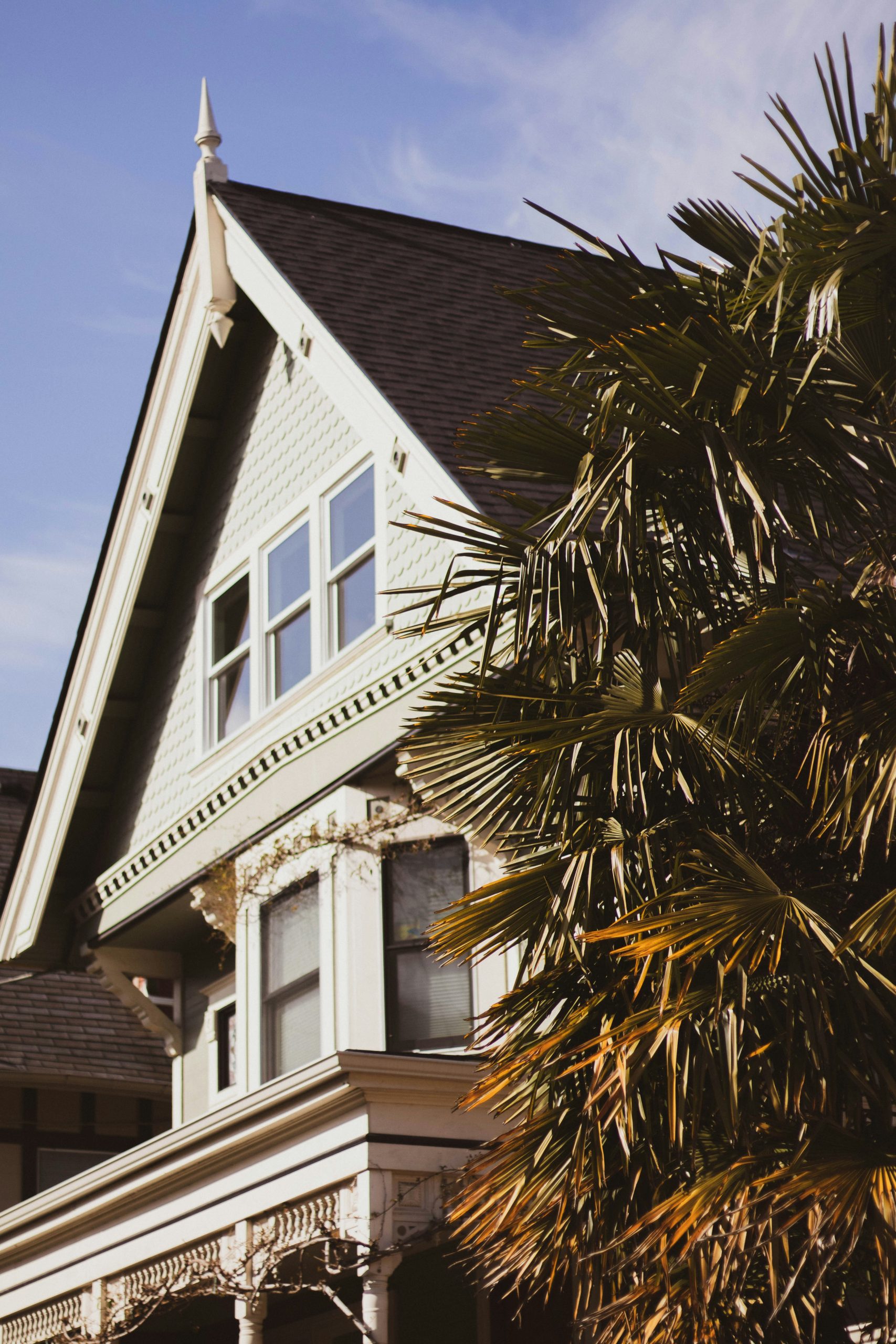 I have a soft spot for old Portland houses.
Give me a good Craftsman, Tudor, bungalow, Colonial Revival—or one of those wonderfully quirky Portland houses with too many built-ins—and I’m probably going to stop and take a look.
There is something about an older Portland home that you just can’t duplicate with new construction. The woodwork. The proportions. The old-growth floors. The windows. The tile. The front porches. The mature landscaping.
But here’s the thing about buying an older house:
You’re not just buying the pretty stuff.
You’re buying what’s behind the walls, underneath the floors and above the ceiling, too.
If you’re considering an older home in Irvington, Alameda, Laurelhurst, or another established Portland neighborhood, here are some things I’d want you to think about before you fall completely in love with the house.
1. Start with the bones
Before you get too distracted by the gorgeous fireplace or that original built-in buffet, look at the big-ticket stuff.
What’s the condition of the roof?
How old is the electrical system?
What kind of plumbing does the house have?
How is it heated?
What’s happening with the foundation?
How is water being managed around the house?
And what’s going on with the sewer line?
These aren’t necessarily reasons to walk away from a house. They’re reasons to understand what you’re buying.
An older system that’s been properly maintained can be perfectly serviceable. A newer system that’s been neglected can be a problem.
Age isn’t necessarily the issue. Condition is.
2. Get a thorough inspection
This sounds obvious, but an inspection on a 100-year-old house can be particularly important.
Don’t just read the summary page and move on.
Read the report. Ask questions. Understand which items are routine maintenance, which ones need attention soon, and which ones could become significant expenses.
And remember that a home inspection is a snapshot of the property’s condition. Depending on the house, additional inspections or evaluations may make sense.
3. Get a sewer scope
This is one of my favorite pieces of advice for buyers of older Portland homes:
Get the sewer scoped.
Portland’s Bureau of Environmental Services specifically recommends a sewer scope as the best and most reliable source of information about a property’s sewer connection. The scope can help identify the condition of the private sewer line and whether there are issues with the connection.
And here’s the part buyers sometimes don’t realize: the homeowner can be responsible for portions of the sewer line between the house and the public system.
A sewer scope isn’t a huge expense compared with the price of a Portland home. It can be money very well spent.
4. Check the permit history
Here’s another one I think gets overlooked.
If someone tells you, “The basement was finished years ago,” or “We added that bathroom,” don’t simply take the listing description at face value.
Portland recommends checking permit records rather than relying solely on county assessor information. Depending on the work and the circumstances, unpermitted living space may need to be legalized.
That doesn’t mean every older house has a clean and complete paper trail. Older properties can have complicated histories.
But it’s worth knowing what you can before you buy.
5. Understand whether the property is actually historic
This one can get confusing.
A house can be old without being individually designated as a historic resource.
It can also be located within a historic district or National Register district.
Portland currently has several different types of historic and conservation designations, and the rules aren’t identical for all of them. Properties within districts can also be classified as contributing or non-contributing.
For example, Irvington is a City-designated Historic District, while Laurelhurst is a National Register District.
That’s something I want buyers to understand before they start planning that big exterior remodel.
6. Think carefully about renovations
This is where my design background probably shows.
I love a well-done renovation.
But I also think older houses deserve a little respect.
If the house has beautiful original woodwork, doors, windows, tile, built-ins or other architectural details, don’t automatically assume everything old needs to be replaced.
Sometimes the original feature is the thing that gives the house its character.
And sometimes it can be worth restoring rather than replacing.
That doesn’t mean you have to live in a time capsule. A great renovation can make an old house much more functional while still respecting what made it special in the first place.
7. Don’t assume “historic” means “hands off”
This is another common misconception.
Historic designation doesn’t necessarily mean you can’t change anything.
But depending on the property’s designation and the proposed work, certain exterior alterations, additions or new construction can be subject to historic review. Portland’s Historic Resources Program provides specific information about what applies to different types of historic resources.
So if you’re thinking about buying an older Portland house because you love it—but you’re already imagining a major addition—check the rules before you make the offer.
That’s a much better time to find out.
8. Budget for maintenance
Owning an older house isn’t necessarily more expensive.
But it can require a different mindset.
There may be more painting. More exterior maintenance. Older windows that need attention. Masonry. Roofs. Gutters. Plumbing. Electrical. Landscaping.
And when something does need replacing, you may find yourself asking whether you want to replace it with something inexpensive and modern—or find a solution that fits the character of the house.
That’s where costs can add up.
9. Don’t let the inspection scare you away from the house you love
Here’s something else I’ve learned from being around real estate for a while:
Almost every house has a list.
Especially an old one.
The goal isn’t to find a 100-year-old house with nothing wrong with it.
That house probably doesn’t exist.
The goal is to understand the list, prioritize it, estimate the costs and decide whether the house still makes sense for you.
A house with a long inspection report isn’t automatically a bad house.
Sometimes it’s just an old house.
So, should you buy an older Portland home?
If you love old houses, I think there are plenty of good reasons to consider one.
Portland has neighborhoods filled with architecture and craftsmanship that are increasingly difficult to reproduce.
But go into the purchase with your eyes open.
Buy the house you love—but understand what you’re buying.
Look beyond the staging.
Look beyond the kitchen.
Look beyond the paint color.
Look at the house itself.
And if you don’t know what you’re looking at, bring people into the process who do.
That’s really what The Portland Old House Guide is about.
I’ll be covering the neighborhoods, architecture, inspections, renovation questions, maintenance issues and some of the less glamorous realities of buying and owning older homes in Portland.
Because I love these houses.
I just think you should know what you’re getting into before you fall in love with one.
Thinking about buying an older home in Portland?
I’m Richard Glass, a Portland real estate broker and ThePortlandBroker. If you’re looking at an older or historic property in Irvington, Alameda, Laurelhurst, or another Portland neighborhood, I’m happy to help you think through the house—not just the listing.
Next in the series: Irvington — beautiful houses, a lot of history, and what buyers should know before they start planning the remodel.
